
2026 Luxury Home Design Trends Los Angeles Homeowners Are Actually Building With
Luxury home design in Los Angeles is changing, but not in loud or obvious ways. In 2026, homeowners are making quieter decisions that focus less on what looks impressive today and more on what will feel right for years to come. At Gregory Greenwood Construction, we spend a lot of time talking with homeowners before a project ever begins. What we are seeing is a clear shift. People want homes that feel warm, intentional, and deeply connected to how they live. They want design choices that hold up over time and craftsmanship that feels considered, not rushed. Below are the luxury home design trends Los Angeles homeowners are actually choosing to build with in 2026. These are not ideas pulled from a mood board. These are real decisions being made on real projects.
Why These Insights Matter
Gregory Greenwood Construction has spent over four decades building and renovating homes across Los Angeles. Our work includes custom homes, major renovations, and historically sensitive projects where detail and planning matter just as much as design. The trends below reflect what homeowners are prioritizing when they are serious about building well. These are choices rooted in longevity, comfort, and quality.
Warm, Natural Materials That Age Gracefully

One of the biggest shifts we see in 2026 is a move away from cool, stark interiors and toward warmer, more natural materials. Homeowners are choosing finishes that feel grounded and that age gracefully over time. We are seeing more use of natural stone with subtle movement, warm wood tones, plaster or lime wash walls, and softer neutral color palettes. These materials bring depth and character to a home without feeling trendy. From a construction perspective, these choices require care and experience. Natural materials show imperfections more easily, which means installation has to be precise. When done well, the result feels layered and timeless rather than overly designed.
Indoor and Outdoor Spaces That Feel Connected

Indoor and outdoor living has always been part of Los Angeles architecture, but in 2026 it is being approached with more intention. Homeowners are no longer just adding large doors. They are designing spaces that feel connected from the start. This often means aligning floor heights, coordinating materials between interior and exterior spaces, and designing outdoor areas that feel like true extensions of the home. Covered patios, outdoor kitchens, and thoughtful transitions are becoming standard requests. When these spaces are planned early, they increase how a home is used without increasing square footage. The key is coordination between design and construction so everything works together seamlessly. If you are exploring this type of layout, it is important to work with a builder who understands both structure and flow.
Kitchens Designed to Feel Calm and Refined

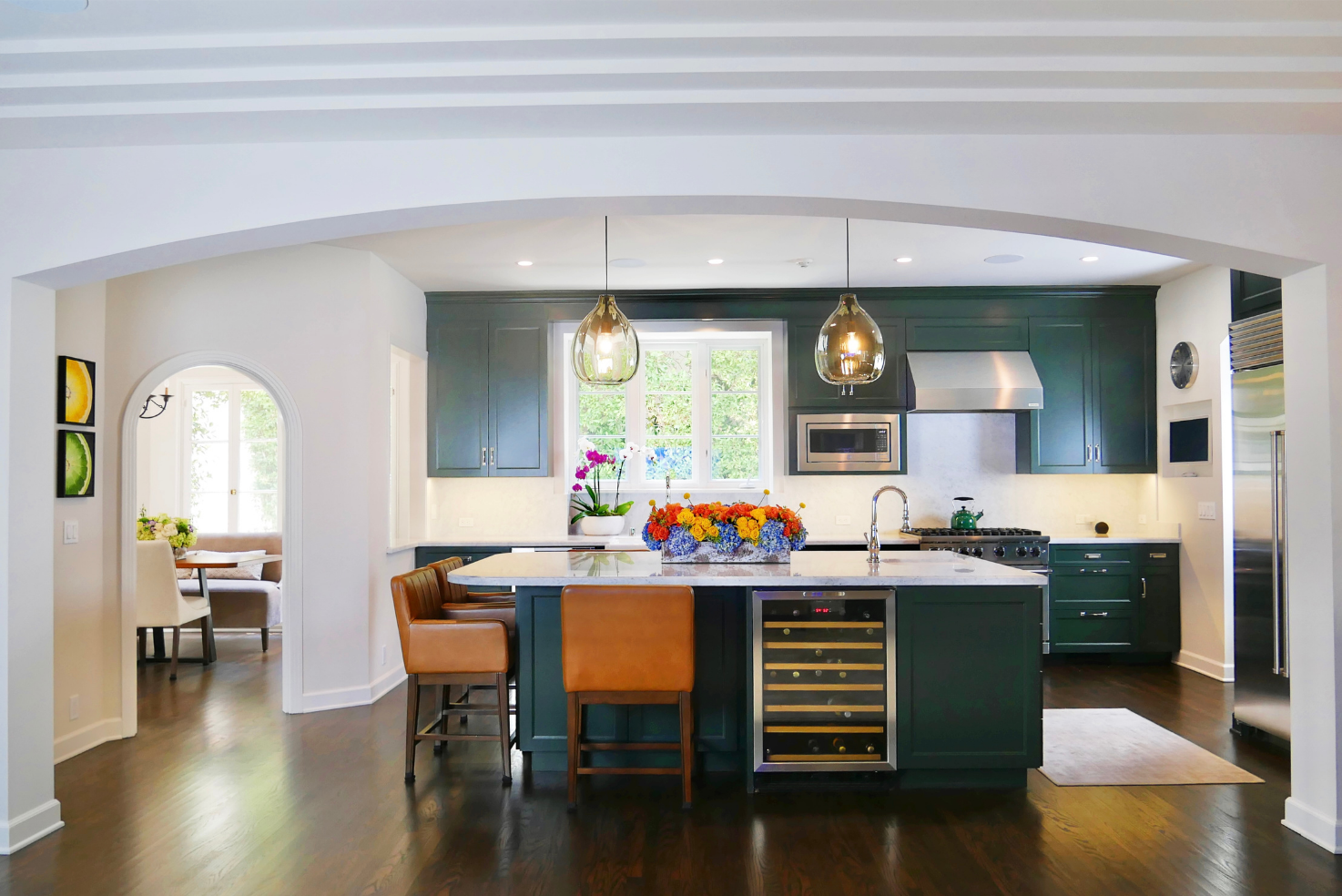
Luxury kitchens in 2026 are less about statement pieces and more about balance. Homeowners want kitchens that feel refined, functional, and integrated into the rest of the home. We are seeing more hidden storage, integrated appliances, natural stone countertops with softer profiles, and lighting that is layered rather than dramatic. These kitchens are designed to support everyday life while still feeling elevated. From a building standpoint, these kitchens demand careful planning. Cabinetry, appliances, stone, and lighting all need to align precisely. When executed correctly, the kitchen feels effortless, even though a lot of work went into making it that way.
Bathrooms Focused on Comfort and Wellness

Bathrooms are becoming more personal in 2026. Homeowners are creating spaces that feel restorative rather than purely functional. Walk in showers with minimal hardware, freestanding tubs, heated floors, and soft lighting are common requests. The goal is not luxury for show, but comfort that can be felt every day. These spaces require careful waterproofing, structural planning, and finish coordination. When built properly, they become quiet retreats within the home.
Flexible Spaces That Adapt Over Time

Another clear trend in 2026 is flexibility. Homeowners want spaces that can evolve as life changes.Home offices that can become guest rooms, secondary living spaces for family or visitors, wellness rooms, and custom storage are all part of this shift. Rather than building rooms for one purpose, people want layouts that can adapt. Flexibility starts during framing and layout planning. When done right, it allows the home to change without the need for future renovations.
Technology That Supports the Home Without Taking Over

Smart home features are still important, but in 2026 the focus is on subtle integration. Homeowners want technology that improves comfort without dominating the design.Lighting control, climate systems, window treatments, audio, and security are most successful when they are planned early and built into the home naturally. The best smart homes are the ones where the technology fades into the background.
Building Trends With Longevity in Mind
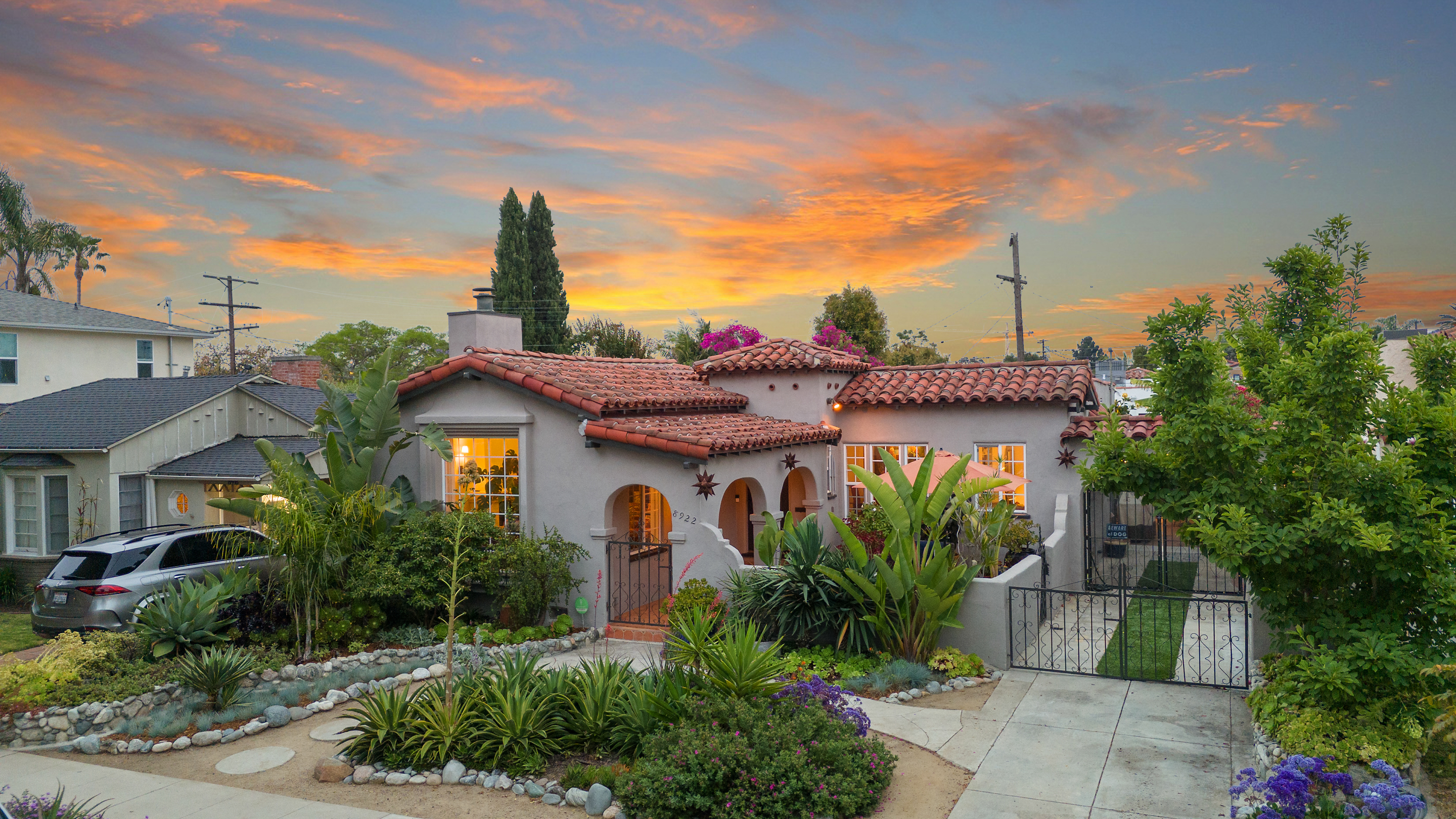
Trends alone do not create a great home. Execution, planning, and craftsmanship do. The difference between a home that feels timeless and one that feels dated often comes down to how thoughtfully decisions are made and how well they are carried out. At Gregory Greenwood Construction, our goal is always to build homes that feel considered, balanced, and built to last. If you are thinking about a custom home or high end renovation in Los Angeles and want to explore how these 2026 design trends can be applied in a way that makes sense for your lifestyle, we invite you to learn more about our process. You can explore our services or schedule a consultation through our website.
Frequently Asked Questions
Are these trends only for new builds?
No. Many of these design choices can be incorporated into renovations as well as custom homes.
Do design trends change quickly?
Visual trends come and go, but quality materials, good layouts, and thoughtful craftsmanship remain valuable over time.
Is indoor and outdoor living practical for all homes?
With proper planning, most Los Angeles homes can benefit from better indoor and outdoor flow, even on smaller lots.
When should design decisions be made?
As early as possible. Early coordination leads to better results and smoother construction.
How do I know which trends are right for my home?
Working with an experienced builder helps you filter trends through the lens of longevity and practicality.
STAY UP TO DATE | JOIN OUR NEWSLETTER


